


Poor DAF Performance? Here's What's Really Going Wrong
DAF システムが動作しない理由: 本当の根本原因
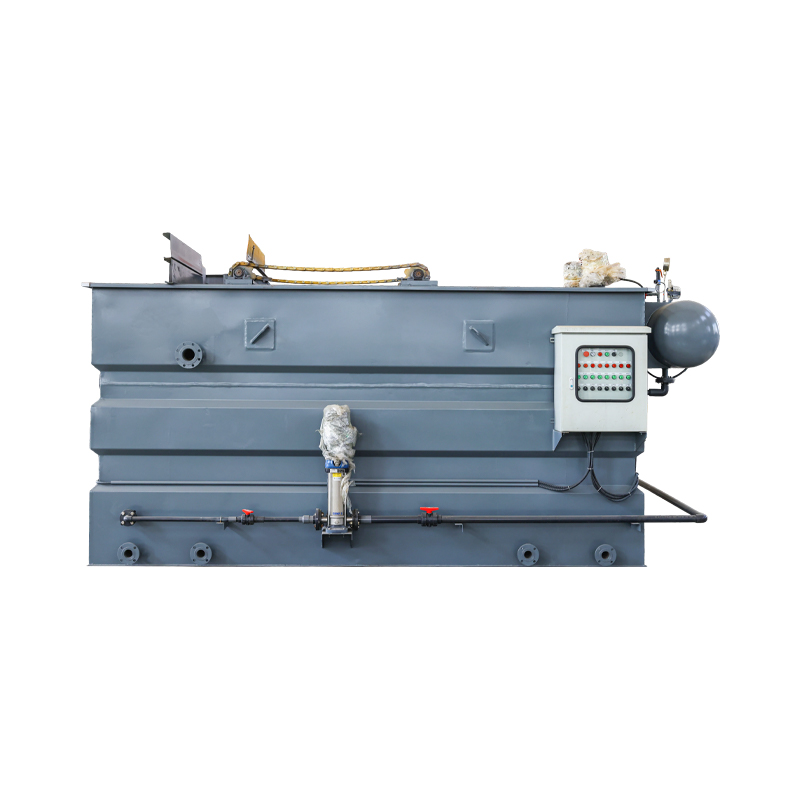
溶解空気浮上分離 (DAF) は広く使用されている固液分離技術で、微細なマイクロバブルを廃水に導入し、沈降しにくい固体や乳化した油を泡の表面に付着させ、浮遊スカム層として浮上させて除去します。 このプロセスは、脂肪、油、繊維、低密度固体の分離に特に効果的です。 、また、活性汚泥や化学凝集中に生成される凝集汚泥を濃縮するためにも一般的に使用されます。
DAF のパフォーマンスが低下する場合、その根本原因はほとんどの場合、凝固前処理条件、化学物質の投与戦略、またはマイクロバブルの特性という 3 つの領域のいずれかに遡ります。これらの各要因が実際にどのように分離効率を高めるかを理解することは、貧弱な浮選性能を診断して修正するための第一歩です。
凝固前処理が DAF のパフォーマンスに与える影響
効果的な凝固は、DAF プロセスが適切に機能するための前提条件です。前処理の品質は、フロック粒子サイズ、混合強度、反応時間という 3 つの主要パラメータによって制御できます。
フロック粒子サイズの要件
DAF プロセスと沈降プロセスには同様のフロック サイズ要件があり、効果的な分離にはどちらも数百ミクロン以上のフロックが必要です。 研究によると、マイクロバブルとフロック粒子の接着効率は、両者のサイズが同じ場合に最大になることがわかっています。 一般的な DAF マイクロバブルの直径の範囲は 10 ~ 100 ミクロンであるため、通常は数十ミクロンから約 100 ミクロンの範囲のフロック粒子で十分です。サイズが大きすぎるフロックを追いかける必要はありません。
実際、サイズが大きすぎるフロックは特に DAF のパフォーマンスに悪影響を及ぼします。フロックが大きいほど見かけの密度が高くなり、その上昇速度が低下します。このため、DAF ではフロック サイズの制御が従来の沈降法よりもおそらく重要になります。従来の沈降法では、フロックが大きく密度が高いことが一般に欠点ではなく利点となります。
混合強度の要件
DAF では大きすぎるフロックの値が限られているため、混合強度 (速度勾配、または G 値) は一般に沈降重視の凝固よりも高くなります。この結論は複数の研究で裏付けられています。 最適な G 値の範囲は凝固剤の種類によって異なります。 塩化第二鉄の場合は約 70 s-1、アルミニウム塩の場合は 70 ~ 80 s-1、ポリ塩化アルミニウム (PAC) の場合は 30 s-1 以上です。良好な粒子除去は 10 ~ 50 s⁻¹ の G 値範囲にわたって引き続き達成可能であり、より高いエネルギー入力により 50 ミクロン未満の微粒子の数が効果的に減少し、全体的な浮選性能が向上します。
実際には、ほとんどの施設では、凝集を 2 つまたは 3 つの段階に分割し、徐々に混合強度を低下させます。最初の段階は G = 70 ~ 100 s⁻¹ で急速な凝固剤の分散と微小凝集塊の形成を促進し、その後の後期段階では G = 20 ~ 50 s⁻¹ に下げて、過剰なせん断下ですでに形成された凝集塊の破壊を回避します。いくつかの処理プラントの運転データによると、凝集段階の平均 G 値が 100 s⁻¹ を超えると、排水中の残留微粒子数が著しく増加し、フロックの分解が増加してスカム除去効率が低下します。一方、G 値が 20 s⁻¹ 未満に維持されるとフロックの成長が遅くなり、気泡フロックの衝突頻度が減少し、同様に処理結果が損なわれます。
反応時間の要件
ヨーロッパの初期の水処理では、沈降と DAF の両方に同じ凝集時間を使用していました (通常は約 45 分)。 より最近の研究によると、 DAF 実際に必要な凝集時間はわずか 15 ~ 20 分です 現在、ほとんどの施設では、合計凝集時間が約 20 分の 2 段階凝集設計を採用しており、凝集品質と処理サイクル時間のバランスをとっています。
実際には、凝集時間の選択は、原水の特性と処理量にも大きく依存します。冷たく濁度の低い水 (5°C 以下、濁度 10 NTU 以下) では凝集の形成が遅くなり、凝集時間を 25 ~ 30 分に延長するか、低温の影響を相殺するために凝固剤の投与量を増やす必要があります。対照的に、高濁度水 (100 NTU 以上) では、粒子の衝突が頻繁になり、凝集の成長が速くなり、凝集時間が 12 ~ 15 分に短縮されます。凝集時間の設計では、原水の品質、温度、凝固剤の種類を合わせて考慮する必要があります。すべてに当てはまる万能の数値はありません。水圧条件も同様に重要です。凝集槽内の短絡またはデッドゾーンにより、たとえ紙上では槽のサイズが適切に見えても、有効凝集時間が公称滞留時間を大幅に下回ってしまう可能性があります。
凝固に対する温度の影響
低温は水の粘度を高め、粒子の動きに対する抵抗を高め、衝突効率を低下させると同時に、凝固剤の加水分解を遅らせ、加水分解生成物の形態を変化させます。どちらも、急速なフロックの形成に対して作用します。水の動粘度は温度が 1°C 低下するごとに約 2 ~ 3% 増加し、沈降と浮遊の両方に対する抵抗が直接増加します。このため、寒い地域での冬の DAF 操作では、効果を相殺するために凝固剤の投与量を増やすか、凝集時間を 20 ~ 30% 長くする必要があります。
原水の濁度と凝集戦略
原水の濁度レベルも凝集制御戦略を決定します。濁度の低い水では粒子が少なく、衝突の機会が少ないため、通常、フロックの形成を強化するために凝集助剤または微小砂を利用した凝集が必要です。濁度の高い水では、凝集時間と混合強度を慎重に調整して、凝集が急速に沈降しないようにする必要があります。濁度が大きく変動する水源の場合、自動フィードバック投与制御と組み合わせたリアルタイム監視が最新の DAF システムの標準的な手法となっており、手動介入なしで水質の変動にプロセスが対応できるようにしています。
化学物質の投与が DAF のパフォーマンスに与える影響
疎水性または親水性粒子は、多くの場合、その表面特性を変更し、気泡粒子の付着を強化するために化学処理が必要です。 DAF で使用される一般的な化学カテゴリには次のものがあります。
凝固剤
凝固剤 — inorganic and organic polymer types — promote flocculation of fine particles into larger aggregates, increasing rise velocity while also modifying the hydrophilic surface character of suspended particles to favor subsequent flotation. 一般的な無機凝集剤には、硫酸アルミニウム、ポリ塩化アルミニウム、塩化第二鉄などがあります。 、加水分解速度、最適な pH 範囲、およびフロック密度が異なります。
塩化第二鉄は pH 6.0 ~ 8.5 の範囲で優れた性能を発揮するため、油分を含む廃水処理に特に適していますが、硫酸アルミニウムの最適範囲 (pH 6.0 ~ 7.5) は狭く、その範囲外では性能が著しく低下します。無機ポリマー凝集剤であるポリ塩化アルミニウムは、予備重合された加水分解生成物の割合が高いことから恩恵を受け、従来のアルミニウム塩よりも優れた冷水適応性を備えながら、幅広い pH 範囲 (5.5 ~ 8.5) にわたって安定した性能を維持します。有機高分子凝集剤(ポリアクリルアミド系が代表的)は長鎖構造を利用して粒子間を架橋し、より大きな凝集形成を促進しますが、過剰摂取はコロイド保護効果を引き起こし、実際に凝集を悪化させる可能性があるため、投与量は厳密に制御する必要があります。無機凝集剤と有機凝集剤を組み合わせるのが一般的で、電荷の中和と架橋/吸着メカニズムの両方を活用します。
浮遊選鉱剤
一般的な浮選剤には、石油、ロジン油、ステアリン酸塩、界面活性剤などがあります。親水性の懸濁粒子が浮選剤の極性末端を吸着すると、非極性末端が水中で外側を向き、粒子表面が親水性から疎水性に変化し、マイクロバブルに付着しやすくなります。 浮選剤の選択性は汚染物質の種類によって異なります — ディーゼルまたは灯油と発泡剤の組み合わせは、鉱物加工廃水の微粉炭スラリーには一般的ですが、ロジン油ベースの薬剤は、繊維捺染および染色廃水の疎水性染料粒子によく使用されます。浮遊選鉱剤は通常、適切な混合と吸着時間を確保するために、凝固反応タンクの前面または中央セクションに投入されます。
凝固助剤
凝固助剤は主に懸濁粒子表面の疎水性を高め、浮遊性を高めます。ポリアクリルアミドがその典型的な例です。凝固助剤は通常、比較的低用量 (通常 0.1 ~ 0.5 mg/L) で主凝固剤と併用されますが、浮遊物質の除去効率に与える影響は重大な場合があります。投与順序は非常に重要です。通常、主凝固剤が完全に分散した後にのみ凝固助剤を添加し、両剤の有効性を低下させる両者間の直接反応を避けることが最善です。
抑制剤
抑制剤 selectively suppress the floatability of certain substances without affecting flotation removal of the target contaminant — sodium sulfide and lime are common examples. Depressants see particularly wide use in mineral flotation and multi-metal separation, and in wastewater treatment are often applied to complex systems containing multiple contaminant types. Optimal dosage needs to be determined by testing against the specific raw water composition — underdosing leaves suppression incomplete, while overdosing risks suppressing the target contaminant's own floatability.
pH調整剤
pH 調整剤 (さまざまな酸と塩基) は、廃水の pH を調整することにより、水中での気泡の分散と気泡粒子の付着能力を調整します。 pH は粒子の表面電荷だけでなく、凝集剤の加水分解形態や気泡の表面電位にも影響します。 さまざまな凝固剤および汚染物質システムには、それぞれ最適な pH 動作ウィンドウがあります。 — たとえば、塩化第二鉄の凝固で処理された油性廃水は、pH 6.5 ~ 7.5 で最適な油除去を実現します。原水の pH 変化に応じてリアルタイムで投与量を調整することは、最適な範囲を維持するための標準的な操作方法です。強アルカリ性の工業廃水は通常、硫酸または塩酸で調整され、酸性廃水は通常、石灰または水酸化ナトリウムで中和されます。最適な pH 条件下で凝固反応が確実に進行するように、pH 調整剤は凝固剤の前に投与する必要があります。
投与順序と互換性に関する考慮事項
投与順序と異なる化学物質間の適合性は、DAF 実践における治療結果に大きく影響します。 一般的な順序は次のとおりです。まず pH 調整剤、 水を目標のpH範囲にする。次に凝固剤。加水分解生成物からの電荷の中和を利用してコロイドを不安定化します。次に、凝固剤の架橋作用を利用してフロックのサイズを大きくします。浮選剤は通常、DAF 接触ゾーンの直前に添加され、分離段階に入る前にフロック粒子と完全に接触するようにします。抑制剤は、抑制される特定の標的物質に応じて、凝固の前または後に投与されます。
特定の化学物質の組み合わせには実際の適合性リスクが伴います。カチオン性ポリアクリルアミドとアニオン性ポリアクリルアミドは、決して混合すべきではありません。混合すると大きくて効果のない凝集物が生成されるからです。浮遊選鉱剤と凝固剤を非常に連続して投与すると、吸着サイトをめぐって競合する可能性があり、両方の有効性が低下します。投与システムの設計ではこれらの相互作用を考慮する必要があり、特定の水源に最適な化学物質の組み合わせと順序を確認するためにビーカー (ジャー) テストが推奨されます。
マイクロバブルの特性が DAF のパフォーマンスに与える影響
安定した大規模なマイクロバブルの生成は DAF プロセスの中核であり、気泡のサイズと表面特性が分離効率に直接影響します。
マイクロバブルのサイズ
最近の研究によると、 マイクロバブルのサイズに関しては、小さいほど良いとは限りません , for several reasons: excessively small bubbles mean floc particles need to attach to more bubbles to rise, which is practically difficult; smaller bubbles require more energy input to generate, raising operating cost; overly small bubbles can carry over into downstream filtration and cause air-binding issues; and surface loading in the separation zone also affects the ideal bubble size — as surface loading increases, bubble-floc aggregates spend less time in the water, requiring higher rise velocity to reach the surface in time. A given number of small bubbles attached to a floc produces higher apparent density and lower rise velocity than the same number of large bubbles, working against higher surface loading capacity.
From a size-distribution standpoint, an ideal DAF process should aim for a narrow, uniform bubble size distribution rather than simply minimizing average size. An overly broad size distribution means large bubbles rise too fast for adequate floc contact time, while overly small bubbles may rise too slowly or even be carried off with the water flow. Bubble size uniformity is often more important to overall DAF efficiency than reducing average bubble size alone.
Microbubble Surface Characteristics
Microbubbles in water typically adsorb certain anions preferentially, acquiring a negative surface charge that can reach fairly high negative values — measured data typically shows microbubble surface potential around -100mV in DAF processes, and floc particle surfaces are also generally negatively charged. When the two approach each other, electrostatic repulsion works against collision and adhesion. Raw water quality and the type and quantity of adsorbed ions both affect microbubble strength, surface hydrophobicity, and charge — adding an appropriate amount of electrolyte can modify these characteristics and adjust flotation performance accordingly.
Regarding surface charge control specifically, metal cations in water (such as Ca²⁺ and Mg²⁺) can reduce bubble surface negative potential through a double-layer compression mechanism, reducing electrostatic repulsion between bubbles and flocs. This is part of why DAF often performs better in hard water than soft water — adjusting water hardness or adding a small amount of electrolyte in practice can improve bubble adhesion performance. Bubble surface hydrophobicity is also a decisive factor in adhesion efficiency: more hydrophobic bubbles adhere more firmly to hydrophobic particles, and the type and quantity of surfactants adsorbed during bubble formation directly determines the degree of surface hydrophobicity.
Microbubble Density and Dispersion Uniformity
Beyond bubble size and surface characteristics, the number density of microbubbles per unit volume of water is also a key parameter affecting DAF efficiency. Under the same saturation pressure and release conditions, higher bubble density means greater total bubble surface area and a correspondingly higher probability of collision with floc particles. But excessively high bubble density can create a noticeable wake effect from rising bubble clusters, increasing local water turbulence and disrupting the stable rise of bubble-floc aggregates. There's an optimal bubble density range, which needs to be determined by testing based on floc concentration and size distribution.
Uniform microbubble dispersion within the contact zone is equally important — uneven bubble distribution, with excess bubbles in some areas and insufficient bubbles in others, inevitably reduces overall flotation efficiency. Engineering practice typically addresses this through optimized placement and quantity of release nozzles, combined with flow-directing structures in the contact zone to promote uniform cross-sectional bubble distribution.
Saturation Pressure and Release Conditions
Saturation (dissolved air) pressure is the core operating parameter determining microbubble size and quantity. Higher saturation pressure increases dissolved air content, producing more microbubbles upon pressure release, though average bubble size may also increase along with energy consumption. Current DAF processes typically operate in the 0.3–0.6 MPa saturation pressure range , which generally achieves favorable microbubble characteristics — the optimal balance between bubble quantity and energy consumption should be determined for the specific water quality and treatment goals involved.
The design of the pressure-release device has a decisive effect on the initial bubble size distribution. Common release device types include needle valve, perforated plate, and dedicated release nozzle designs, which can produce significantly different bubble size distributions at the same saturation pressure. Recent development of higher-efficiency release nozzles has brought average microbubble diameter down from a traditional 50–80 micron range to 20–40 microns, significantly improving bubble-floc adhesion efficiency. Release nozzle clogging remains a major obstacle to long-term stable DAF system operation, and is typically managed through regular flushing or pre-filtration.
How Saturation Method Affects DAF System Operation
The saturation (dissolved air) method used determines microbubble generation quality and overall system energy consumption. Current mainstream DAF saturation methods fall into three basic categories: full-flow pressurized saturation, partial-flow pressurized saturation, and recycle-flow pressurized saturation.
| Comparing the three main dissolved air saturation methods used in DAF systems. | |
| Saturation Method | Characteristics |
| Full-flow pressurized saturation | All influent is pressurized and saturated; thorough air-water mixing, but larger pump/saturation tank sizing and higher energy use; prone to packing clogging with high suspended solids |
| Partial-flow pressurized saturation | Only part of the influent is pressurized; reduces saturation system size, but requires precise flow-split control, or release pressure fluctuates and bubble size stability suffers |
| Recycle-flow pressurized saturation | Most widely used method; recycles 20–40% of DAF effluent for pressurized saturation, then blends with influent; lower suspended solids in the recycle stream means less clogging and better stability |
Recycle-flow pressurized saturation is currently the most widely applied method, since suspended solids content in the recycled stream is low, making the saturation tank and release nozzles less prone to clogging, with good operational stability and strong adaptability to raw water quality fluctuations. Recycle ratio selection should account for raw water suspended solids concentration, floc rise velocity, and treatment volume together — generally, higher suspended solids concentration calls for a higher recycle ratio.
Each saturation method affects bubble size distribution, energy consumption, and system operating stability differently, so selection should weigh treatment scale, water quality characteristics, and overall economics together.
宜興恒業環境保護に協力しましょう
Contact Us- お問い合わせ
-
-
[email protected]

[email protected] -
+86-13812201185

-
+86-13812201185

-
中国江蘇省無錫市宜興市高城鎮高要村西特路20号

-



